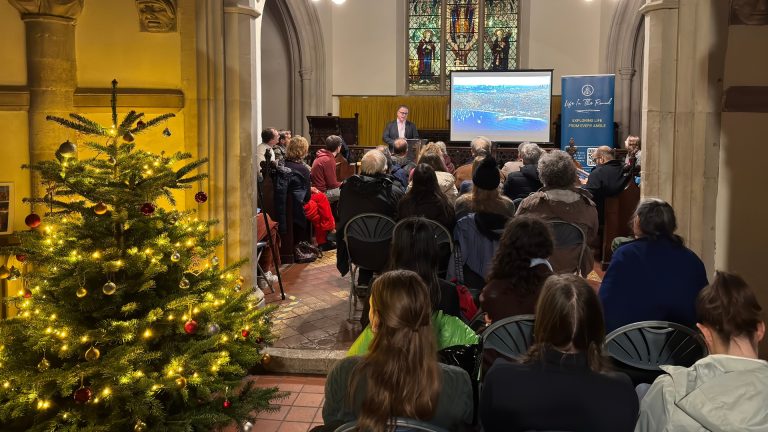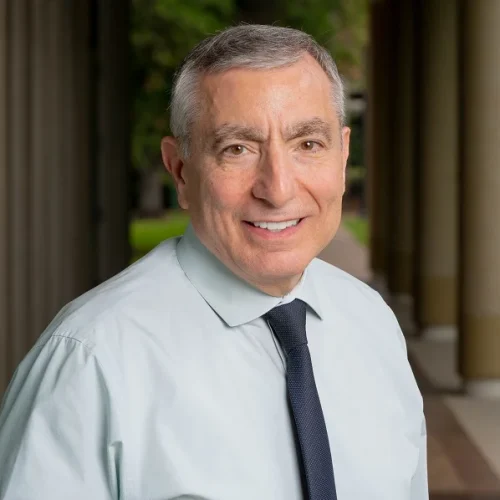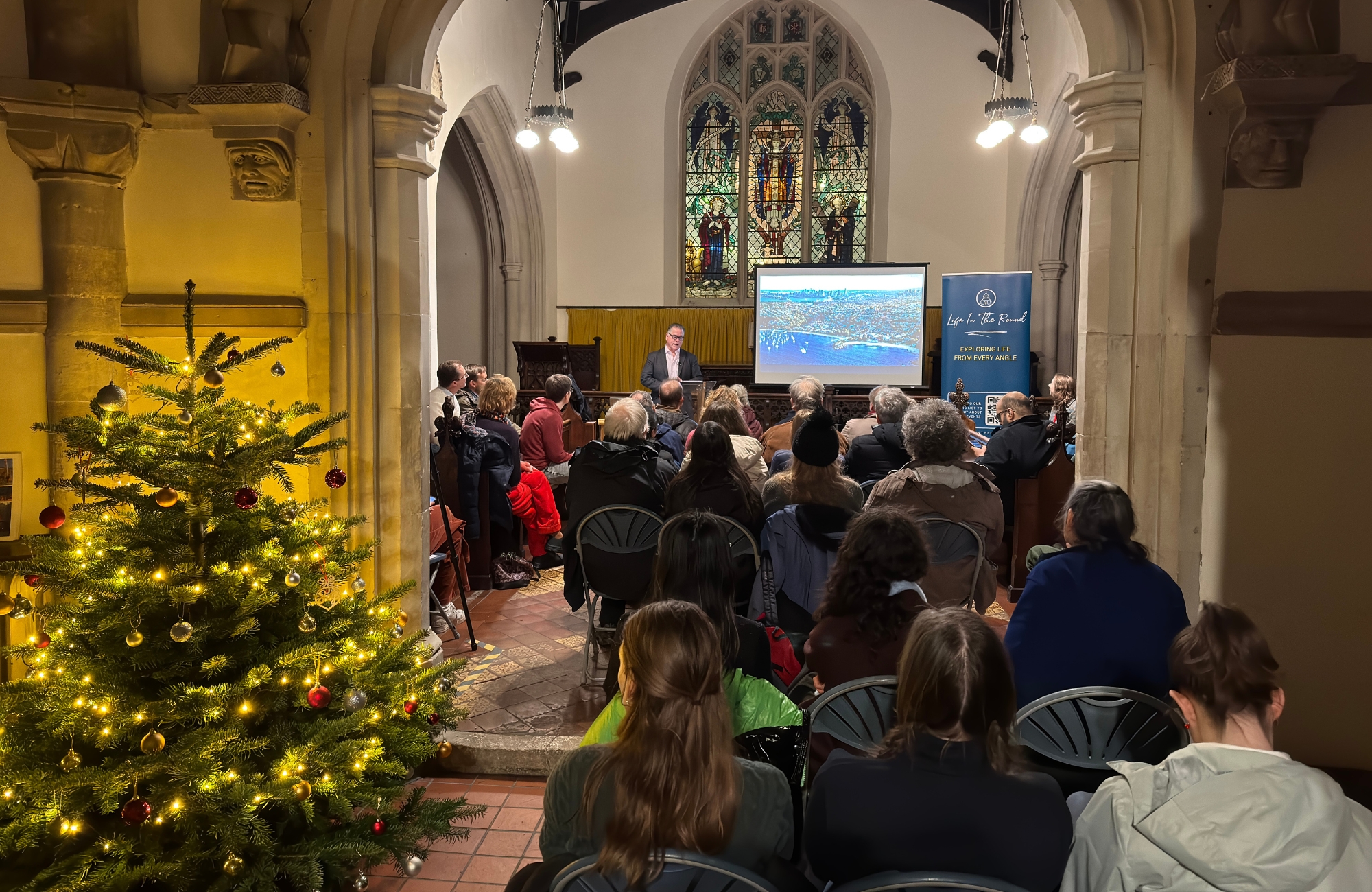
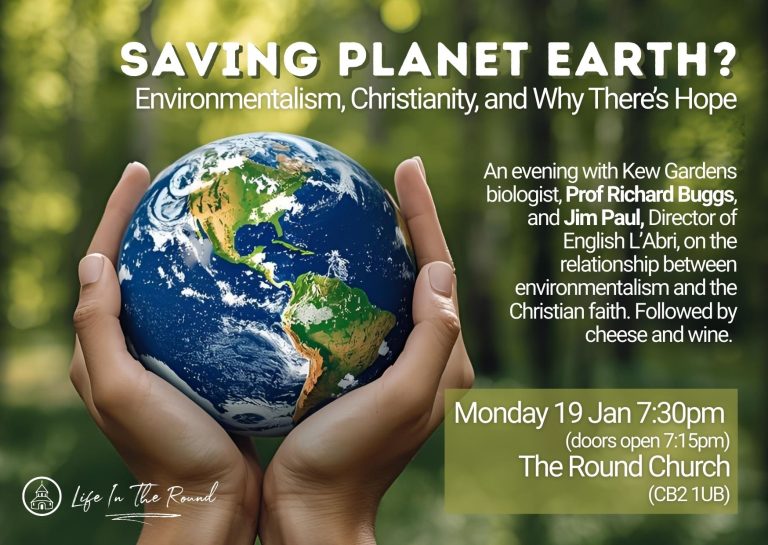
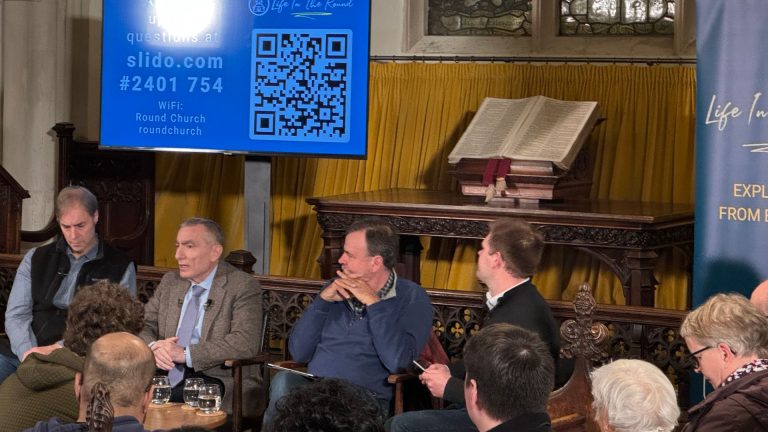


Where does environmentalism go next? We were pleased to welcome Kew Gardens biologist, Prof Richard Buggs, alongside Director of the English L’Abri Fellowship, Jim Paul, for an interview and discussion. Prof Buggs spoke about his work as an environmental scientist in tree conservation, and together they discussed what motivates their care for the natural world. They also reflected on the problems and questions facing the environmental movement today, and what a Christian perspective might have to contribute to the conversation.

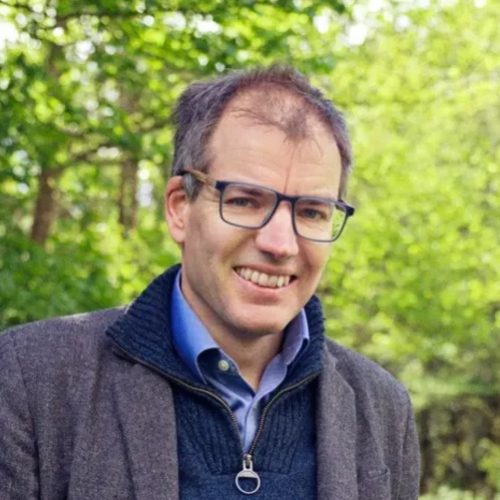
Richard Buggs is Senior Research Leader (Plant Health & Adaptation) at Kew Gardens, and Professor of Evolutionary Genomics at Queen Mary, University of London. He specialises in tree conservation, and his current research focuses on analysing DNA sequences to understand how plants, especially trees, adapt in response to climate change and new pests and pathogens. He studied Natural Sciences at the University of Cambridge, before completing a DPhil at the University of Oxford and postdoctoral research at the University of Florida. He is a Fellow of the Linnean Society and the Royal Society of Biology, and sits on the UK Government Trees and Woodlands Scientific Advisory Group.
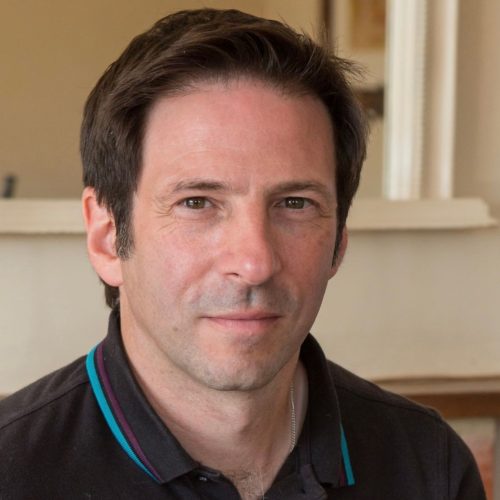
Jim Paul is Director of the English L’Abri Fellowship, a Christian community based in Hampshire, practising hospitality and providing a space for people to explore and discuss life’s important questions. He has a background as a doctor in palliative medicine, and is the author of What on Earth is Heaven?. He is also involved in environmental conservation, acting as a trustee of a local community conservation project.
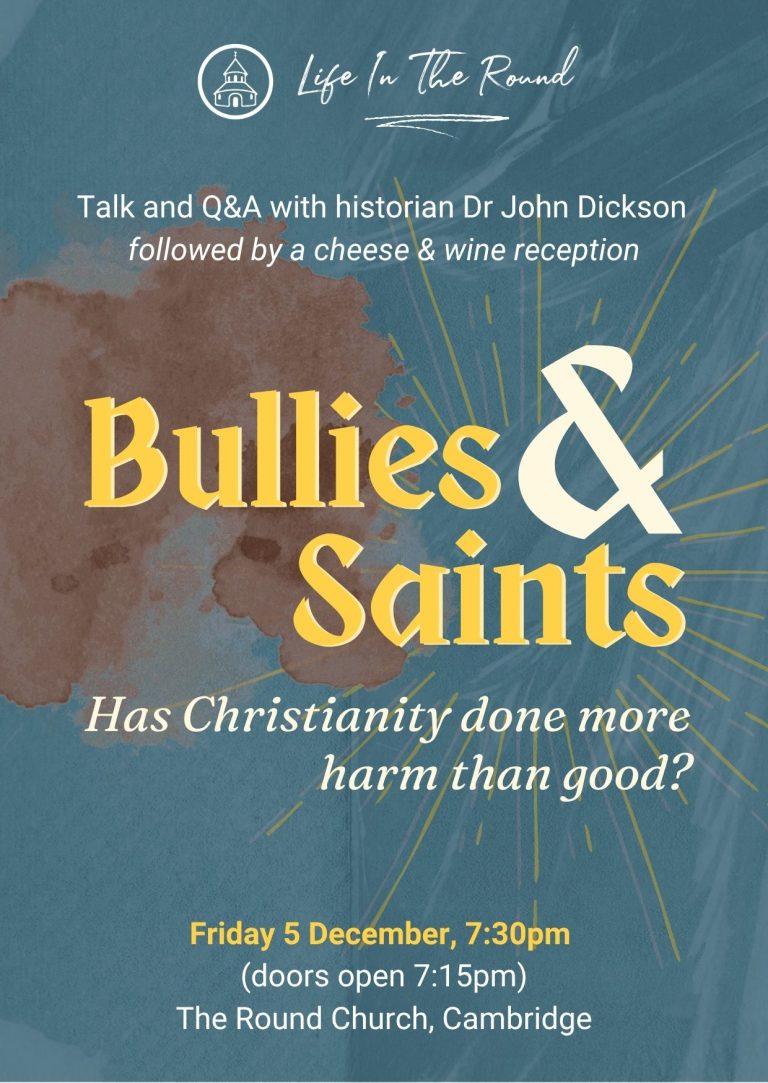
Cambridge’s iconic Round Church, modelled on Jerusalem’s Church of the Holy Sepulchre, was built as part of a wave of crusader-inspired architecture that spread across Europe in the early twelfth century. It stands as a striking reminder of Christianity’s complex legacy, one which has prompted many critics to argue that the faith has done more harm than good.
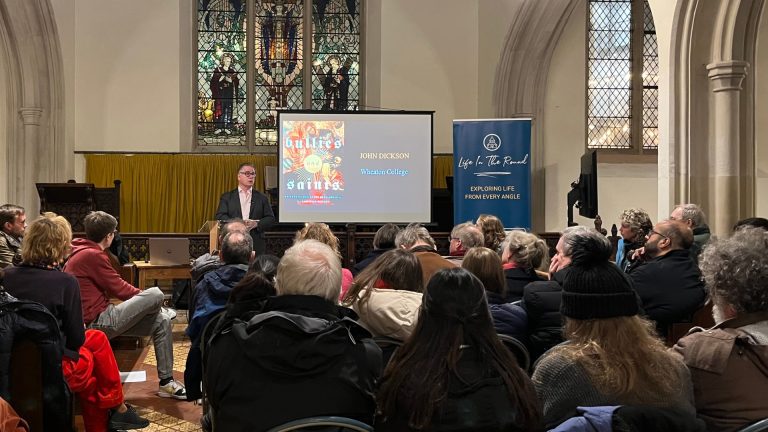
In this setting, it was a pleasure to welcome historian Dr John Dickson to lead us through the paradoxes of Christian history. Dr Dickson argued that, from the Crusades to modern abuse scandals, it is important to acknowledge and mourn the harm for which Christians have been responsible. He also, however, challenged accounts that exaggerate the extent of these evils to create narratives of the intrinsic harmfulness of the Christian faith. Asking ‘what is Christianity’s unique contribution?’, he explored the significant ethical shift brought about by Christianity, evidenced in the first large-scale altruistic drives to free slaves and the first public hospitals.
Ultimately, he concluded, Jesus Christ played a beautiful melody of self-sacrificial love. His followers have imitated it through the centuries, sometimes so poorly that the tune has seemed unrecognisable, but at other times faithfully, enabling them to change the world for the better through Christ’s beautiful tune.

Dr John Dickson is an author, speaker, historian, and media presenter. He hosts the Undeceptions podcast, and has hosted four television documentaries, the most recent of which, The First Hymn: Resurrecting a song buried for millennia, was released in April 2025. John has published over 20 books, including Bullies and Saints: An Honest Look at the Good and Evil of Christian History (2021). Since 2022, he has been the Jean Kvamme Distinguished Professor of Biblical Studies and Public Christianity at Wheaton College in Illinois. Before that, John had held positions in the Ancient History Department at Macquarie University (2002-2015), the Hebrew, Jewish and Biblical Studies Department at Sydney University (2011-2021), Ridley College Melbourne (2019-2022), and the Faculty of Classics at the University of Oxford (2015-2023).
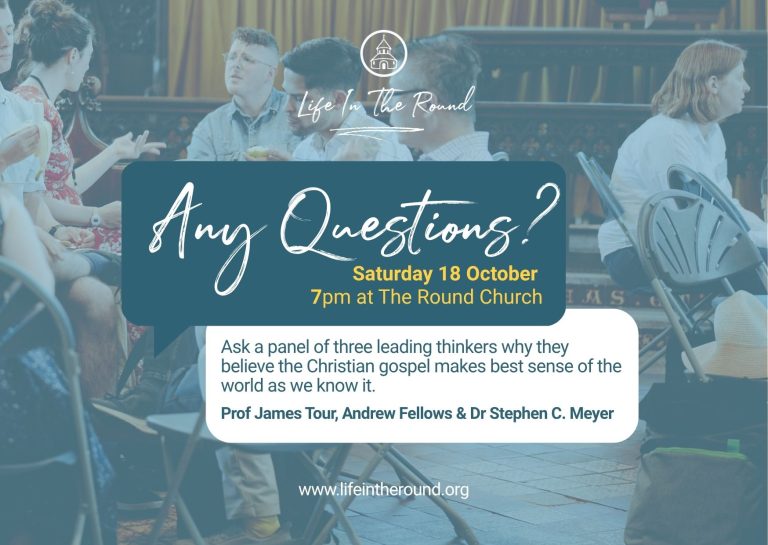
Following the lively Q&A and discussion at our recent events on music and literature, we were delighted to welcome three leading thinkers across the arts and sciences for a stimulating Q&A panel event. The event also coincided with the recent launch in Cambridge of the Whewell Centre for Science and Natural Theology.
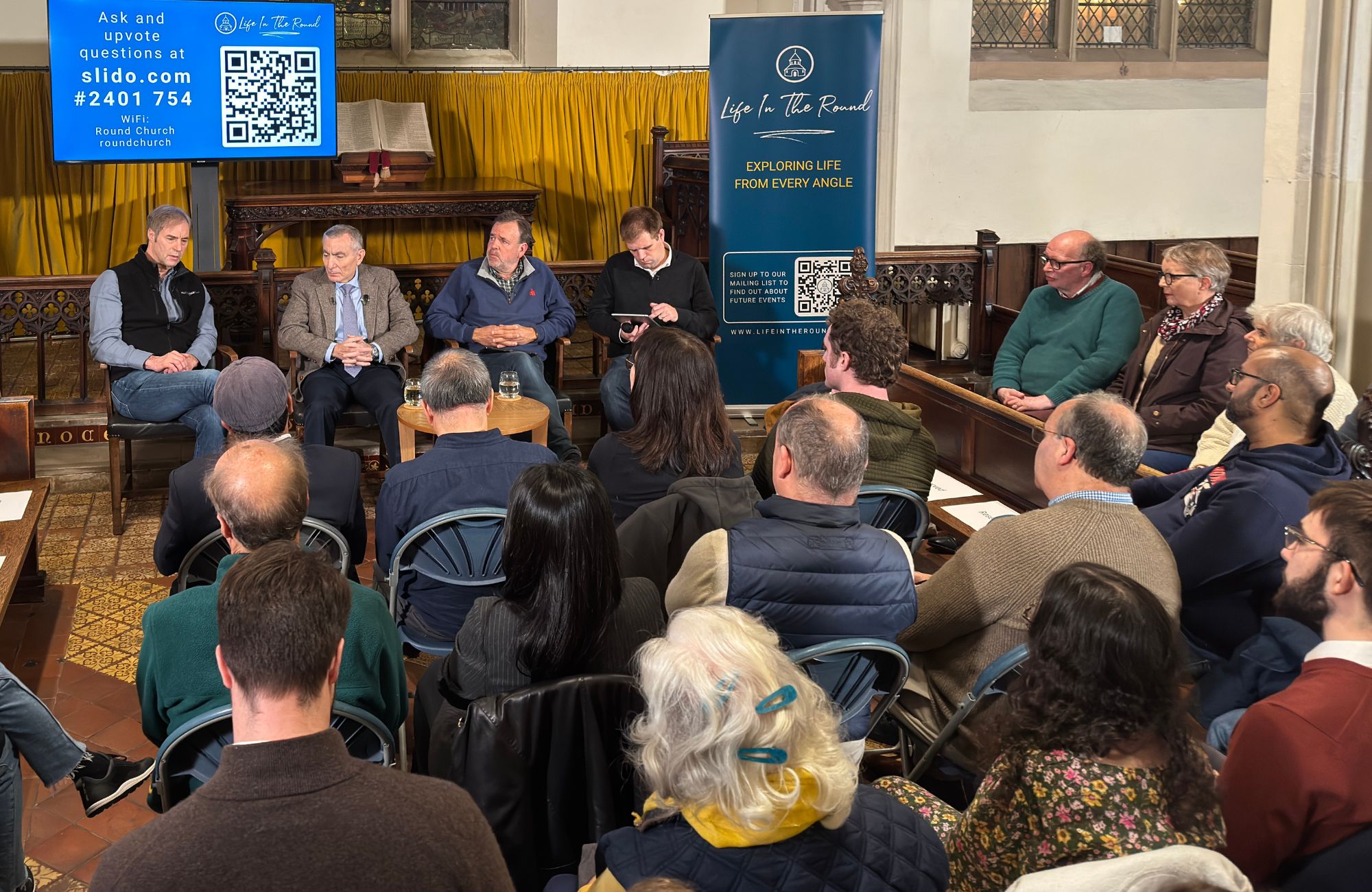
Over the course of the evening, attendees had the opportunity to ask the panellists why they believe the Christian gospel makes best sense of the world as we know it. We engaged with questions on whether science points to a creator and specifically the Christian God, knowledge and the reliability of the human mind, the basis for human dignity, why God chose the cross as the means of bringing about salvation, the resurrection, doubt, and the nature of the Christian hope in a world of suffering.

James Tour is the T. T. and W. F. Chao Professor of Chemistry, Professor of Computer Science, and Professor of Materials Science and Nano-Engineering at Rice University, Texas. He has served on the faculty of the University of South Carolina and as a visiting scholar at Harvard University. Tour has over 700 research publications and over 130 patent families.
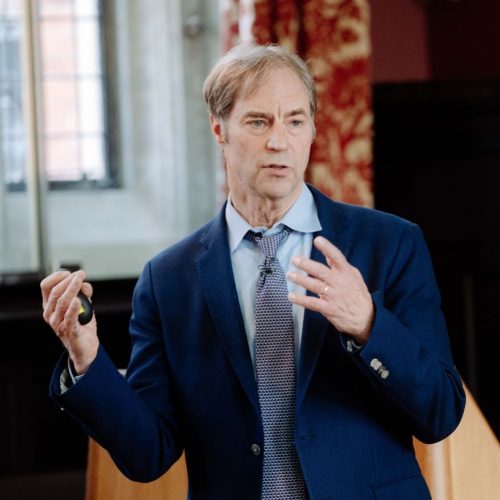
Stephen C. Meyer is author of numerous books including Return of the God Hypothesis: Three Scientific Discoveries That Reveal the Mind Behind the Universe (2021) and Director of the Whewell Centre for Science and Natural Theology. Dr Meyer received his PhD from the University of Cambridge in the philosophy of science.
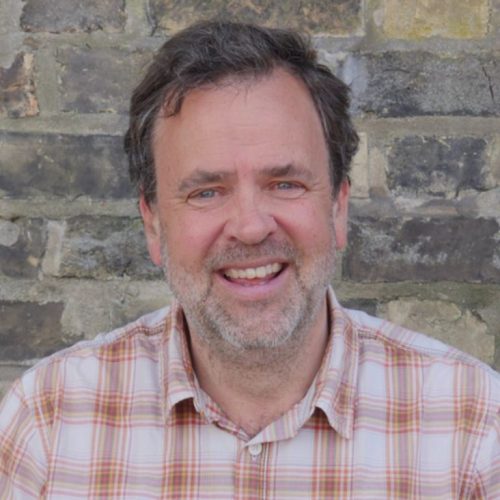
Andrew Fellows is a Christian apologist, author and former chairman of L’Abri International, currently serving as minister at St Thomas’ Church, Cambridge.
In the new year we will be launching his forthcoming book: Humanity Matters: Re-enchanting Homo Sapiens (2026).
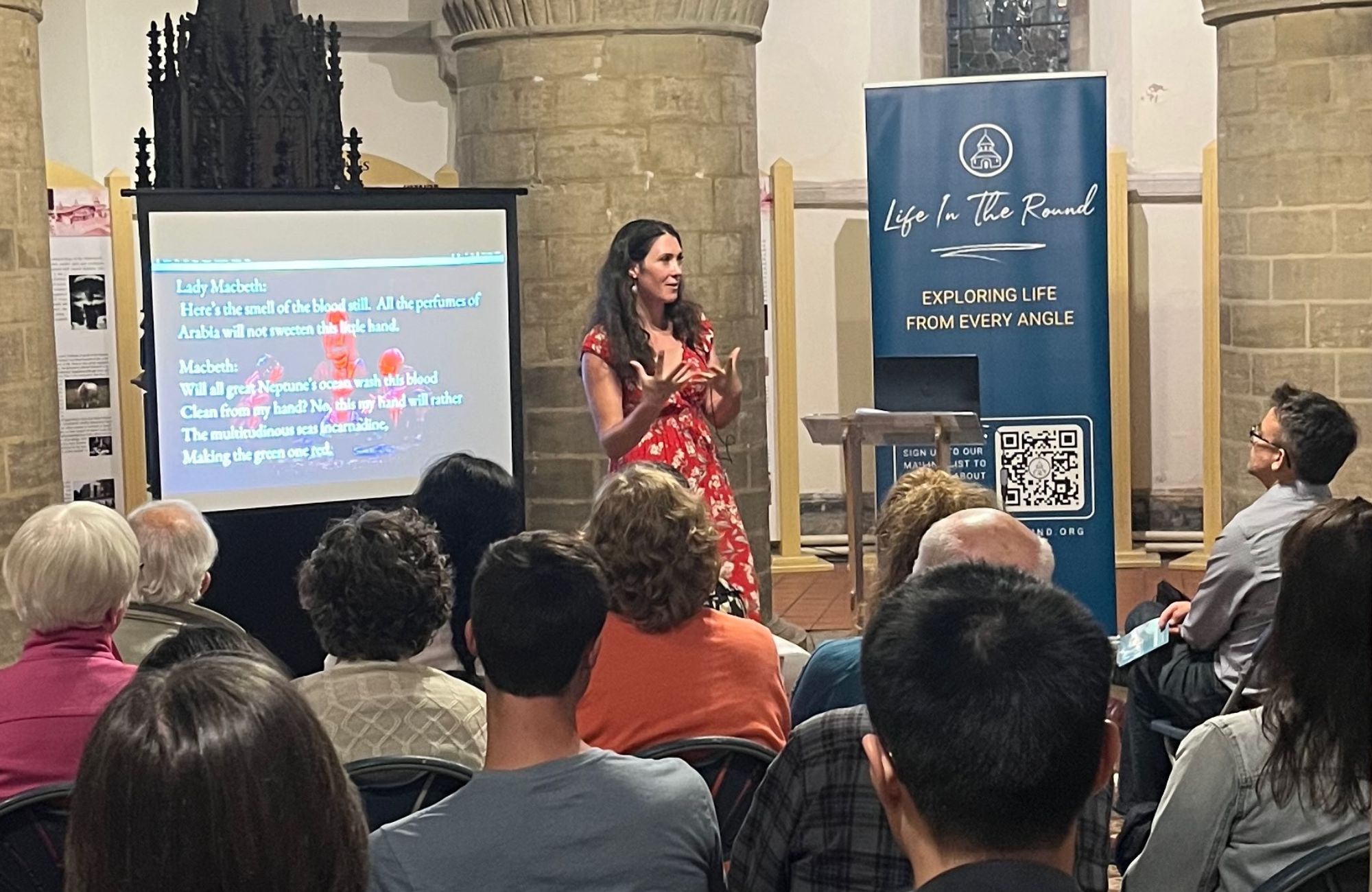
400 years on, Shakespeare’s plays remain central to the English literary and dramatic canon, his characters and poetry capturing the imaginations of each new generation. Shakespeare lived in a world in which the English Bible had recently arrived on the scene, and in which Christian understandings were deeply entrenched in society, culture and politics. From Macbeth to The Tempest, Isobel Burden led us through how the Bible’s language, stories and values influenced Shakespeare’s writing. In a powerful and engaging talk, we discovered how themes such as beauty, guilt, restoration and hope enrich the Bard’s enduring works and continue to speak to the human condition today.
Music is deeply woven into our culture – the ambient background music of a coffee shop, peaceful choral singing at a Cambridge college evensong, the thunderous anthems of sports supporters filling a stadium, even your very own self-curated playlist through your airpods – music is everywhere! And it’s often music we turn to in our moments of unfulfilled desire and longing, to express a feeling we can’t quite put into words. In May 2025, we were joined by Prof Jeremy Begbie (Professor in Theology, Duke University; Affiliated Lecturer in Music, University of Cambridge) for a recital-lecture in a packed lecture theatre at St John’s College Old Divinity School. It was a lively and engaging evening, featuring captivating piano performances, as Prof Begbie explored various musical expressions of unfulfilled desires and compared them with the Christian hope.
C.S. Lewis’s ‘Chronicles of Narnia’ series continue to be treasured by readers and viewers of all ages. This looks set to continue, with the eagerly anticipated 2026 release of the first Netflix Narnia film, directed by Greta Gerwig. To celebrate 75 years since the publication of The Lion, the Witch and the Wardrobe, we were joined by 150 people for a Narnia-themed event, featuring Turkish delight and beautiful performances from Sophia Abraham on the Celtic harp. Through three short reflections from Dr Sharon Jones, Sophie Jones and Daniel Gilman, we traced the journey of C.S. Lewis’s imagination through the wonders of song, speech and story, discussing how he depicts the reconciliation and restoration found in ‘the true myth’, the greatest story of all.
J.R.R. Tolkien was one of the most influential authors of the twentieth century, and the world he created continues to capture imaginations today. But how did his understanding of our own world shape his creation of Middle-earth and its beloved characters? At this event, we were joined by Tom Price (speaker at The Oxford Centre for Christian Apologetics and PhD student at Aberdeen University in philosophy, theology and film), as we considered how Tolkien’s Christian faith influenced his writing, exploring themes such as the sense of wonder at God’s creation. It was wonderful to be joined by around 120 people, for the talk and Q&A, which featured short readings from The Hobbit and clips from the Lord of the Rings films.
Over a 3 week series, we held film screenings followed by discussion of their central themes and questions. Watching these films in the 900-year old Round Church provided an opportunity to consider the relationship between contemporary culture and the historic Christian faith. Through discussions led by JP Sivertsen-Wright (UCCF) and Tony Watkins (Tyndale House), we came face-to-face with human nature, repentance and redemption in Fantastic Mr Fox; witnessed the power of sacrifice, the importance of communication and the need for external help in Gravity; and explored the importance of relationships, forgiveness and hope in A Beautiful Day in the Neighbourhood.
With conflicts happening around the world, this event spoke into the horrors of war and division, and explored the convictions and approaches needed for peace building in seemingly impossible situations. We were delighted to be joined by Dr Michael Schluter CBE in conversation with Mike Hood (Eden Baptist Church). Michael offered insights from his work in post-apartheid South Africa and Rwanda in the aftermath of the genocide, and shared how his Christian faith has motivated and directed his work.
We were thrilled to welcome Tim Farron (MP and former Liberal Democrats leader) and Mark Meynell (Langham Preaching) for a fascinating conversation, followed by Q&A, in March 2024. The discussion tackled the often-contentious question, ‘Can’t we keep faith out of politics?’, an important topic in a year of global elections, including a UK general election. With over 100 people at St Catharine’s College, Cambridge, the evening challenged the assumption of personal ‘neutrality’ and opened up healthy discussion around belief in a secular world.
When programmes like ChatGPT were brought into the spotlight, the possibilities, limitations and potential dangers of Artificial Intelligence were questions at the forefront of the public conversation. At our event in October 2023, it was standing room only as Prof Peter Robinson and Hope McGovern, both researchers in Computer Science at the University of Cambridge, discussed the promises and pitfalls of A.I., and, from a Christian perspective, what they illuminate about the deeper issues humanity faces. A wine and cheese reception following the talks and Q&A provided an opportunity for attendees to respond in discussion.
Our first series of film nights at the Round Church proved a success, with thought-provoking conversations at relaxed events with cinema snacks provided. Through screenings followed by discussions led by Tony Watkins (Tyndale House) and Mike Hood (Eden Baptist Church), we delved into some of the central themes of the films and considered what the Christian faith might contribute to the conversation.
On Charles III’s coronation weekend, we partnered with Ensemble in the Round to throw a celebration. Classical music and poetry readings in the beautiful Round Church acoustic were interspersed with short talks from Daniel Gilman (PhD student in History, University of Cambridge), who helped us think about the symbolism of the coronation and how those symbols point to the ultimate king, Jesus Christ.
400 years on, Shakespeare’s plays remain central to the English literary and dramatic canon, his characters and poetry capturing the imaginations of each new generation. Shakespeare lived in a world in which the English Bible had recently arrived on the scene, and in which Christian understandings were deeply entrenched in society, culture and politics. From Macbeth to The Tempest, Isobel Burden led us through how the Bible’s language, stories and values influenced Shakespeare’s writing. In a powerful and engaging talk, we discovered how themes such as beauty, guilt, restoration and hope enrich the Bard’s enduring works and continue to speak to the human condition today.
Music is deeply woven into our culture – the ambient background music of a coffee shop, peaceful choral singing at a Cambridge college evensong, the thunderous anthems of sports supporters filling a stadium, even your very own self-curated playlist through your airpods – music is everywhere! And it’s often music we turn to in our moments of unfulfilled desire and longing, to express a feeling we can’t quite put into words. In May 2025, we were joined by Prof Jeremy Begbie (Professor in Theology, Duke University; Affiliated Lecturer in Music, University of Cambridge) for a recital-lecture in a packed lecture theatre at St John’s College Old Divinity School. It was a lively and engaging evening, featuring captivating piano performances, as Prof Begbie explored various musical expressions of unfulfilled desires and compared them with the Christian hope.
C.S. Lewis’s ‘Chronicles of Narnia’ series continue to be treasured by readers and viewers of all ages. This looks set to continue, with the eagerly anticipated 2026 release of the first Netflix Narnia film, directed by Greta Gerwig. To celebrate 75 years since the publication of The Lion, the Witch and the Wardrobe, we were joined by 150 people for a Narnia-themed event, featuring Turkish delight and beautiful performances from Sophia Abraham on the Celtic harp. Through three short reflections from Dr Sharon Jones, Sophie Jones and Daniel Gilman, we traced the journey of C.S. Lewis’s imagination through the wonders of song, speech and story, discussing how he depicts the reconciliation and restoration found in ‘the true myth’, the greatest story of all.
J.R.R. Tolkien was one of the most influential authors of the twentieth century, and the world he created continues to capture imaginations today. But how did his understanding of our own world shape his creation of Middle-earth and its beloved characters? At this event, we were joined by Tom Price (speaker at The Oxford Centre for Christian Apologetics and PhD student at Aberdeen University in philosophy, theology and film), as we considered how Tolkien’s Christian faith influenced his writing, exploring themes such as the sense of wonder at God’s creation. It was wonderful to be joined by around 120 people, for the talk and Q&A, which featured short readings from The Hobbit and clips from the Lord of the Rings films.
Over a 3 week series, we held film screenings followed by discussion of their central themes and questions. Watching these films in the 900-year old Round Church provided an opportunity to consider the relationship between contemporary culture and the historic Christian faith. Through discussions led by JP Sivertsen-Wright (UCCF) and Tony Watkins (Tyndale House), we came face-to-face with human nature, repentance and redemption in Fantastic Mr Fox; witnessed the power of sacrifice, the importance of communication and the need for external help in Gravity; and explored the importance of relationships, forgiveness and hope in A Beautiful Day in the Neighbourhood.
With conflicts happening around the world, this event spoke into the horrors of war and division, and explored the convictions and approaches needed for peace building in seemingly impossible situations. We were delighted to be joined by Dr Michael Schluter CBE in conversation with Mike Hood (Eden Baptist Church). Michael offered insights from his work in post-apartheid South Africa and Rwanda in the aftermath of the genocide, and shared how his Christian faith has motivated and directed his work.
We were thrilled to welcome Tim Farron (MP and former Liberal Democrats leader) and Mark Meynell (Langham Preaching) for a fascinating conversation, followed by Q&A, in March 2024. The discussion tackled the often-contentious question, ‘Can’t we keep faith out of politics?’, an important topic in a year of global elections, including a UK general election. With over 100 people at St Catharine’s College, Cambridge, the evening challenged the assumption of personal ‘neutrality’ and opened up healthy discussion around belief in a secular world.
When programmes like ChatGPT were brought into the spotlight, the possibilities, limitations and potential dangers of Artificial Intelligence were questions at the forefront of the public conversation. At our event in October 2023, it was standing room only as Prof Peter Robinson and Hope McGovern, both researchers in Computer Science at the University of Cambridge, discussed the promises and pitfalls of A.I., and, from a Christian perspective, what they illuminate about the deeper issues humanity faces. A wine and cheese reception following the talks and Q&A provided an opportunity for attendees to respond in discussion.
Our first series of film nights at the Round Church proved a success, with thought-provoking conversations at relaxed events with cinema snacks provided. Through screenings followed by discussions led by Tony Watkins (Tyndale House) and Mike Hood (Eden Baptist Church), we delved into some of the central themes of the films and considered what the Christian faith might contribute to the conversation.
On Charles III’s coronation weekend, we partnered with Ensemble in the Round to throw a celebration. Classical music and poetry readings in the beautiful Round Church acoustic were interspersed with short talks from Daniel Gilman (PhD student in History, University of Cambridge), who helped us think about the symbolism of the coronation and how those symbols point to the ultimate king, Jesus Christ.